YAMAHA APX600VS Apx Acoustic Electric Guitar 4SPL 4A 1990S
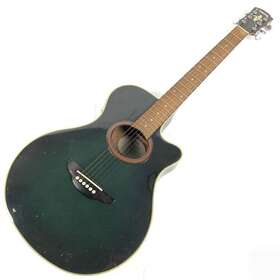
( Brand: Yamaha ), ( Manufacturer Part Number: APX600VS ), ( Model: 4SPL ), ( Body Type: Hollow ), ( Body Color: Red And Yellow ), ( Neck Material: Nato ), ( Set Includes: Hard Case ), ( Number Of Frets: 22 ), ( Series: Apx ), ( Handedness: Right-handed ), ( Model Year: 1990 ), ( Type: Acoustic-electric Guitar ), ( Body Material: Flame Maple Top ), ( Performance Level: Beginner ), ( String Configuration: 6 String ), ( Fretboard Material: Rosewood ), ( Country/region Of Manufacture: Japan )
Review YAMAHA Apx 4a Vintage Acoustic Electric Guitar Green 1990
A Comparison of the Yamaha APX600 and APX4A Acoustic-Electric Guitars from the 1990s
The Yamaha APX600 and APX4A are two beloved acoustic-electric guitars from the 1990s era, which have left a significant impression on the music community. Both guitars represent advancements in technology and design, offering musicians a perfect blend of portability, sound quality, and playability. In this detailed comparison, we will delve into the distinctive features, specifications, and tonal characteristics of each instrument.
I. Yamaha APX600The Yamaha APX600 was introduced in the late 1990s, built with advanced technology anddesign innovations to meet the demands for portable, high-quality acoustic-electric guitars. This model features a compact, rugged body made of Forest Green High-Pressure Laminate (HPL), boasting superior durability against wear and moisture. Furthermore, the APX600 incorporates a spruce top and maple back and sides, contributing to a rich, balanced tone that excels in both acoustic and amplified performances. Possessing a cutaway body design with a sleek Slimbody contour, this guitar is incredibly comfortable and accessible for players.
Additionally, the APX600 is equipped with an under-saddle piezo pickup and a built-in preamp with 3-band equalizer, enabling users to fine-tune their sound for various playing environments. This guitar's electric output provides the versatility necessary for both live performances and studio recordings. Moreover, the APX600 comes with a rosewood fretboard, which provides a smooth playing surface, allowing for flawless and expressive performances.
II. Yamaha APX4ARecognized for its sleek and stylish design, the Yamaha APX4A was a game-changer in the world of acoustic-electric guitars during the 1990s. Featuring a politicized green finish, this instrument boasts an advanced body structure called the Advanced Port X bracing system. This bracing pattern supports greater projection and clear, powerful sound, ensuring an engaging and balanced performance in both acoustic and amplified settings.
Measuring a compact size with a slim body depth of approximately 4 inches, this guitar offers players excellent portability. Additionally, the APX4A showcases a spruce top, featuring scalloped bracing for enhanced tone and projection, and maple back and sides. The overall design of the APX4A sticks to the classic and simple aesthetics of an acoustic guitar, with only a few subtle electronic enhancements.
The APX4A incorporates an under-saddle piezo pickup and a built-in preamp, making it suitable for modest amplification needs. Although it doesn't come with tone-shaping EQ controls like its APX600 counterpart, the APX4A is still a 'go-to' option for musicians seeking a portable amplified and acoustic guitar experience. The guitar sports a rosewood fretboard, providing a comfortable playing experience and enhancing sustain and tone.
III. ConclusionIn conclusion, both the Yamaha APX600 and APX4A models represent groundbreaking improvements in the realm of acoustic-electric guitars during the 1990s. Both guitars offer musicians a portable and high-quality blend of acoustic and electric performance. However, the APX600 focuses on enhanced features such as a more comprehensive preamp with EQ controls, a larger selection of onboard tonal shaping options, and a slightly larger body size to accommodate its additional electronics. The APX4A, on the other hand, boasts a classic acoustic guitar aesthetic, with a focus on more straightforward amplification and portability.
Ultimately, your choice depends on your personal preferences as a musician, and the specific requirements of your playing style, tone preferences, and performance circumstances. Both models carry a legacy of innovation and excellence within the world of Yamaha guitars, ensuring that they remain popular choices among musicians to this very day.
Both Yamaha APX600 and APX4A are popular acoustic-electric guitars from Yamaha's APX series, which were both released in the 1990s. Here are some pros and cons of each model to help you make an informed decision:
Yamaha APX600: Pros:1. Solid Spruce Top: The APX600 features a solid spruce top, which provides superior tone and resonance, resulting in clearer and more pronounced sound, especially in the high-end frequencies.
2. Active-Sytem: Yamaha's SRT2 pickup system offers excellent sound quality, providing a balanced and accurate representation of the guitar's acoustic tone when plugged in.
3. Perfect Balance: With its lightweight body and contoured shape, the APX600 offers comfortable playability making it an excellent choice for those who spend extended periods playing.
4. Durability: The APX600'sbody is made of Nato wood, which makes it more durable than the APX4A, which is made of laminate Meranti.
Cons:1. Limited Fretboard: The APX600 features a shorter 23.5" scale length which may not be appropriate for players who prefer a full-sized guitar.
2. Standard Tuning Stability: The APX600 might require more frequent tuning compared to guitars with a higher-quality bridge and tuning machines.
Yamaha APX4A: Pros:1. Affordability: The APX4A is generally more affordable than the APX600 making it an excellent choice for budget-conscious players.
2. Playability: Its compact body and lightweight design make it perfect for beginners or for those with smaller body types to play comfortably.
3. Durability: With a laminate Meranti body, the APX4A is more durable than a solid top guitar of the same price range.
4. Versatility: The APX4A offers versatility in various playing situations with both an acoustic sound and an amplified sound.
Cons:1. Sound Quality: Compared to the APX600, the APX4A's tone and resonance might not be as clear and pronounced.
2. Limited Features: The APX4A comes with Yamaha's passive pickup system, which might not provide the same level of sound accuracy as the active-system in the APX600.
Conclusion:Both the APX600 and APX4A have their unique merits, and your decision ultimately depends on your personal preferences and budget. If you prioritize superior sound quality, a solid wood top, and comfortability in a more traditional guitar shape, the APX600 would be the better choice. Alternatively, if affordability and a compact design are more important factors, the APX4A would be more suitable. However, it's always a good idea to try playing both models in person to determine which one feels and sounds best for you.
Details:
YAMAHA APX 4A Vintage 1990 Acoustic Electric Guitar Red Sunburst. No case is included. A few minor scratches. Good condition.
part #: apx600vs prices
- $295.00-$369.99
specifications acouselectguit:
- brand: Yamaha
- mpn: Apx600vs
- model: 4spl
- body type: Hollow
- body color: Red And Yellow
- neck material: Nato
- set includes: Hard Case
- number of frets: 22
- series: Apx
- handedness: Right-handed
- model year: 1990
- type: Acoustic-electric Guitar
- body material: Flame Maple Top
- performance level: Beginner
- string configuration: 6 String
- fretboard material: Rosewood
- country/region of manufacture: Japan
general acouselectguit:
- condition: Used
- Musical Instruments Gear > Guitars Basses > Acoustic Electric Guitars
shipping acouselectguit:
- type: Calculated
- cost: $0.00
- carrier: USPS
- service: USPS Priority Mail
- transit: 6-12 Days
- class: Expedited
returns acouselectguit:
- policy: Returns Accepted
- paid by: Buyer
- method: Money back
- time: 30 Days
offer acouselectguit:
- options: Ship-to-home
- quantity: 1
- sold: 0
- availability: In Stock
- started: November 3, 2023
payments acouselectguit:
- credit card: Mastercard
- wallet: Apple-pay
ratings:
- Beautiful guitar I am thrilled! This was a great price, and it also arrived much earlier than expected, which was awesome! Thank you so much! 10-01-23
- as listed. thanks 10-01-23
- Hope to deal with you again. Thank you. 10-01-23
- Works great 10-01-23
- Was shipped really fast and was packaged very well! 10-01-23
seller acouselectguit:
- detailed rating: Speed: 5/5, Communication: 5/5, Charges: 4.94/5, Accuracy: 4.97/5
- rating: 100.0%
- # feedbacks: 496
- city: New York, New York
Yamaha APX600VS Is Similar To:
- 0086792931036 Yamaha Ce Bl Guitar (34% similar) Item is used and does have typical wear tear. Yamaha FG-411 ce bl acoustic electric this is an awesome playing and sounding guitar. I wish could keep it myself but can't them all unfortunately...(June 30th, 2019)
- 0086792969572 Yamaha Sized Acoustic Electric Guitar (57.6% similar) It also features mid-boost eq and Yamaha's proprietary tuner with great sensitivity accuracy for quick tuning. Replay guitar exchange enjoys sharing all the fun of this well-constructed compact instrument that makes a great companion when you are on road or just jamming at home. The Yamaha APXT2 is ...(August 16th, 2018)
- 0086792994116 Yamaha Guitar (27.7% similar) A case is not included. Yamaha's legendary active preamps is still a big feature of apx, and the sound quality everything you expect from world number one. Improvements continue to make the apx a classic and replay guitar exchange Yamaha are proud offer this modern APX500III in beautiful natural ...(April 22nd, 2018)
- 0086792994123 Yamaha Apx500iii Black Acoustic (41.1% similar) Improvements continue to make the apx a classic and replay guitar exchange Yamaha are proud offer this modern APX500III in beautiful black finish. Yamaha's legendary active preamps is still a big feature of apx, and the sound quality everything you expect from world number one. A case is not ...(October 17th, 2017)
- 0086792994130 Yamaha Apx500iii Acoustic-electric Guitar (59% similar) Improvements continue to make the apx a classic and replay guitar exchange Yamaha are proud offer this modern APX500III in beautiful vintage sunburst finish. Scale length : neck: nato fingerboard: rosewood back sides: and oakum top: spruce nut width : body depth: preamps: system 66. Yamaha's ...(October 17th, 2017)
- 086792323473 Yamaha A3r Cutaway Acoustic-electric Guitar (55.3% similar) Yamaha's A3R acoustic-electric guitar gives you all of the same great features you'd expect from a high-end acoustic, but for lot less money. Also, the A3R features Yamaha's Set studio response technology electronics, which gives you sound when play plugged in. The A3R provides you with warmth and ...(February 20th, 2017)
- 086792323497 Yamaha Ac3r Acoustic-electric Concert Guitar (50% similar) Specs Yamaha AC3R concert cutaway acoustic-electric body size solid steak spruce top rosewood back sides ebony fretboard mahogany neck bridge 43MM nut width system 63 Set built-in preamps hard shell case included our in house guitar tech has inspected, tested, and cleaned all of instruments on ...(December 30th, 2016)
- 086792333427 Yamaha Are Acoustic Electric Guitar Natural Gloss (58.9% similar) Mahogany back side high comfort traditional neck PROFILE5PLY necks rt zero impact pickup. Small body type solid Angelina spruce top treated with. Features a hand-selected premium solid Angelina spruce top and mahogany back sides. This newly added variation gives powerful low mid and more open sound...(July 18th, 2018)
- 086792930992 Yamaha Classical Cutaway Acoustic Electric Guitar Natural (55.5% similar) Yamaha says: combining a contemporary design with meticulous attention to detail, the NC series offers superb play ability and feel of an authentic classical guitar in modern instrument. The NTX1200R is a great looking instrument designed to offer play ability and feel of steel stringed acoustic. ...(January 18th, 2019)
- 086792984933 Yamaha Acoustic Electric Guitar Natural Gloss (56% similar) The new Yamaha l-series offers perfect combination of traditional and modern: a warm, balanced tone that fits perfectly into solo performance or mix timeless good looks inspired bays 50 years guitar crafting instant played-in comfort stage-ready as standard with zero impact pickup system...(July 18th, 2018)
- 086792992082 Yamaha Acoustic Electric Natural (48.2% similar) Neck material: 5-PLY mahogany and rosewood scale length : 25. Treated wood guitar with a solid Angelina spruce top, mahogany back and sides, 5-PLY rosewood neck sporting an ebony fingerboard bridge. 5 nut width : replay guitar exchange is proud to present this Yamaha LS16MHB acoustic electric - a ...(January 18th, 2019)